The object you stopped seeing
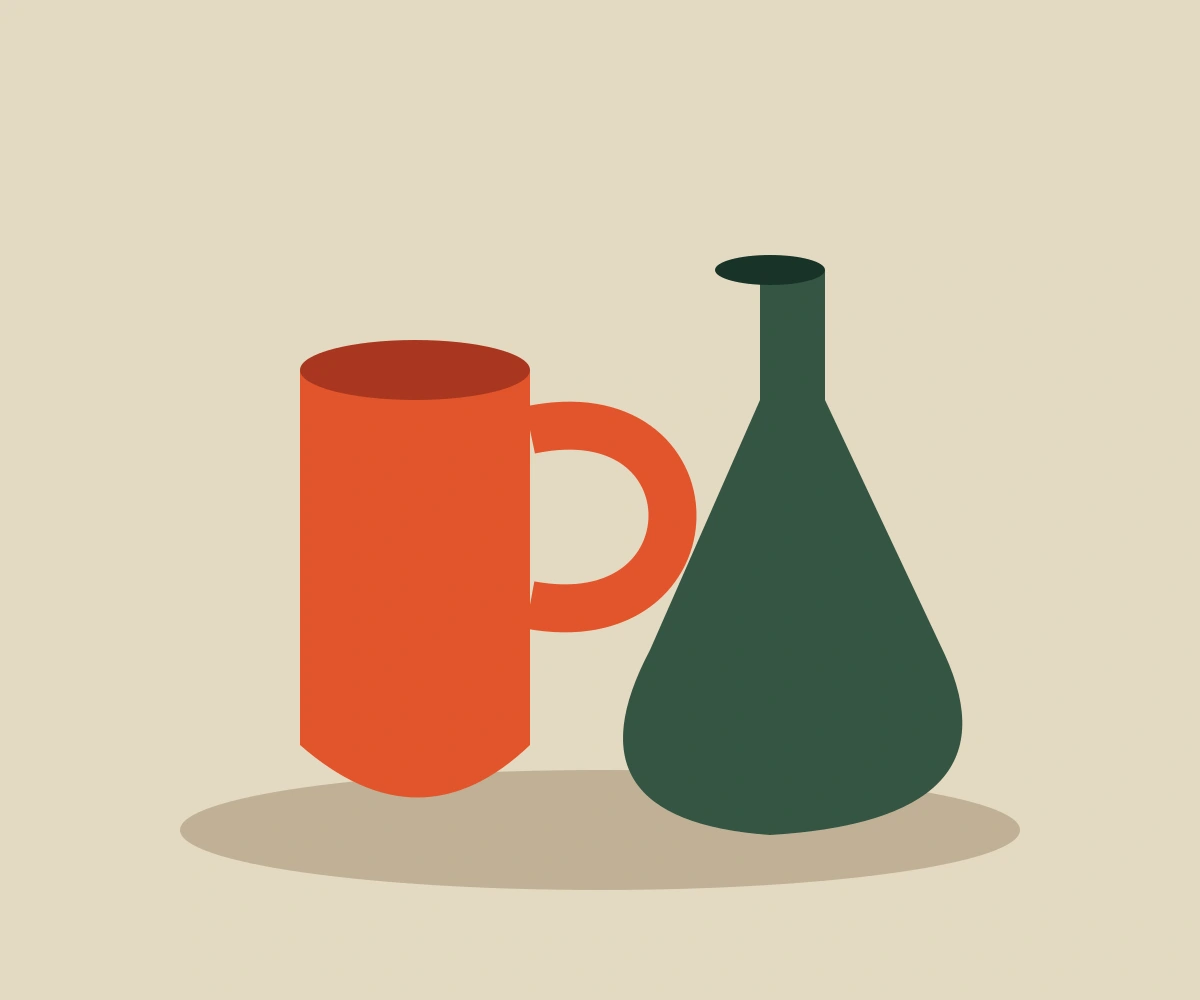
Choose something you used this morning without thinking about it. A cup is a good place to start. Consider where your fingers went, how its weight changed when it was full, and whether you set it down carefully or with confidence. The object participated in the morning without requesting attention. That quiet participation is worth a second look.
We often reserve the language of design for things that announce themselves. A striking chair, an unusual lamp, a building that changes the street. The ordinary object has a different task. It must make sense repeatedly, in distracted hands, on days when nobody is in the mood to admire it. Its success can be measured in how little negotiation it requires.
A sequence of small decisions
The rim of a cup, the width of a handle, the place where a drawer stops: each detail belongs to a sequence of actions. A handle is not only a shape attached to a surface. It is an invitation to pull in a particular direction with a particular amount of effort. When that invitation is clear, the object seems obvious. When it is confused, we become aware of the design in a less welcome way.
Looking at objects through actions changes the questions we ask. Instead of beginning with style, begin with use. What does the hand need to understand? Where does the object rest between uses? Can it be cleaned without becoming a small project? Does it make the next action easier, or merely decorate the current one?
Familiarity can make good design almost disappear.

The marks of belonging
An object acquires another layer through familiarity. A scratch tells you which side of the tray is yours. A worn patch on a handle records the usual grip. These marks can be inconvenient, but they can also make an object more legible. It is no longer an anonymous example of a type; it has become this particular thing in this particular life.
Not every sign of wear deserves to be romanticised. A dangerous crack is still a dangerous crack. But neither does every change need to be treated as a failure. Materials have different ways of growing older. Part of choosing an object is choosing the kind of change you are willing to live with.
An exercise in attention
Try describing an ordinary object without using the words beautiful, minimal, timeless, or iconic. Describe what it does, how it feels, where it catches the light, and what happens when it is put down. The exercise can be surprisingly difficult. Familiar design vocabulary often substitutes for the more precise work of looking.
Then use the object again. There may be nothing to improve. That is a useful discovery too. Attention does not always have to produce a purchase, a redesign, or a new preference. Sometimes it returns a familiar thing to view, and makes the next ordinary action a little less automatic.