Change the frame
A familiar street can become almost invisible. We know which corner to turn, where the pavement narrows, and how long the next crossing will take. The journey becomes a sequence of instructions. Everything that does not help us arrive is easy to overlook.
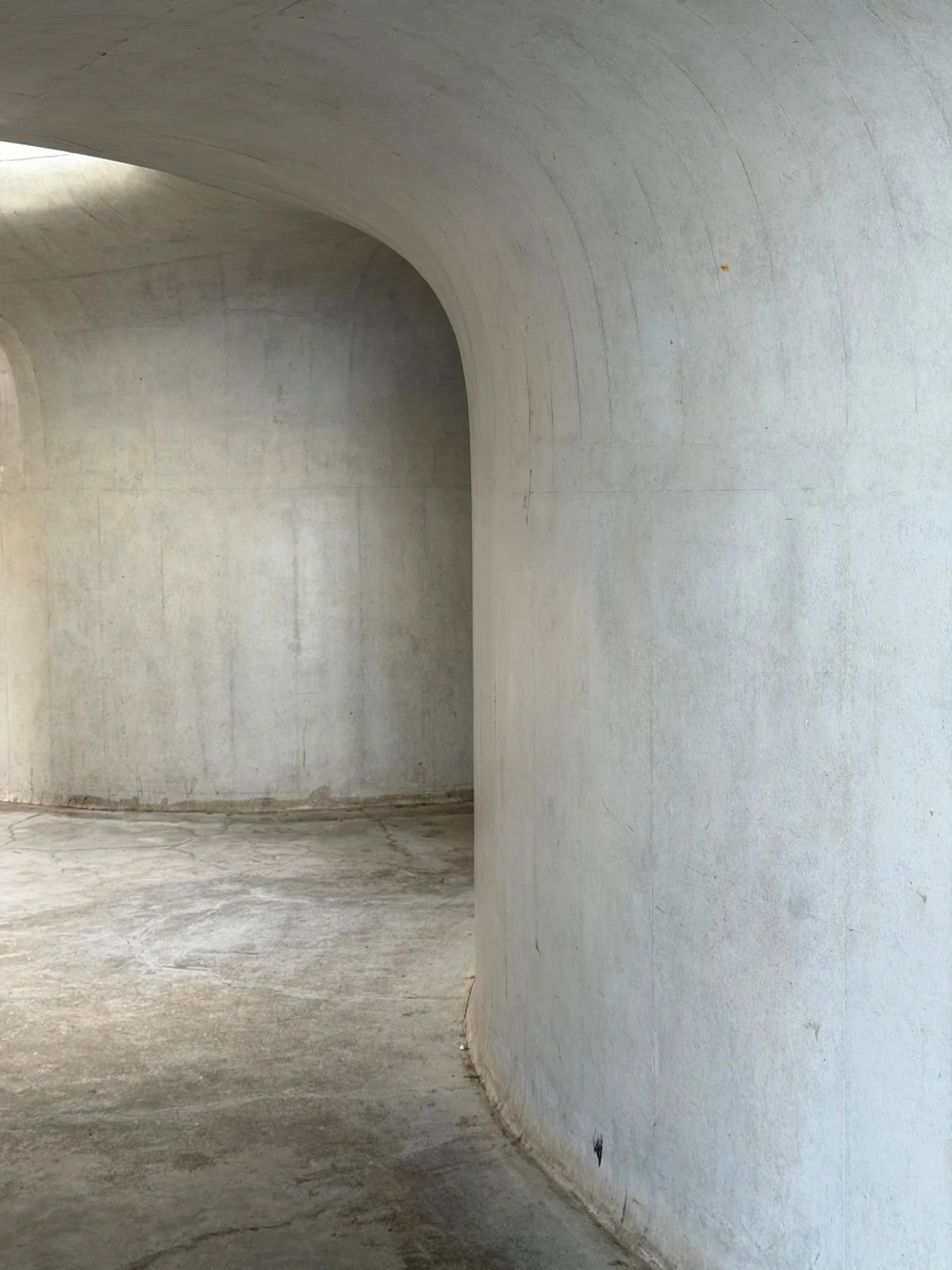
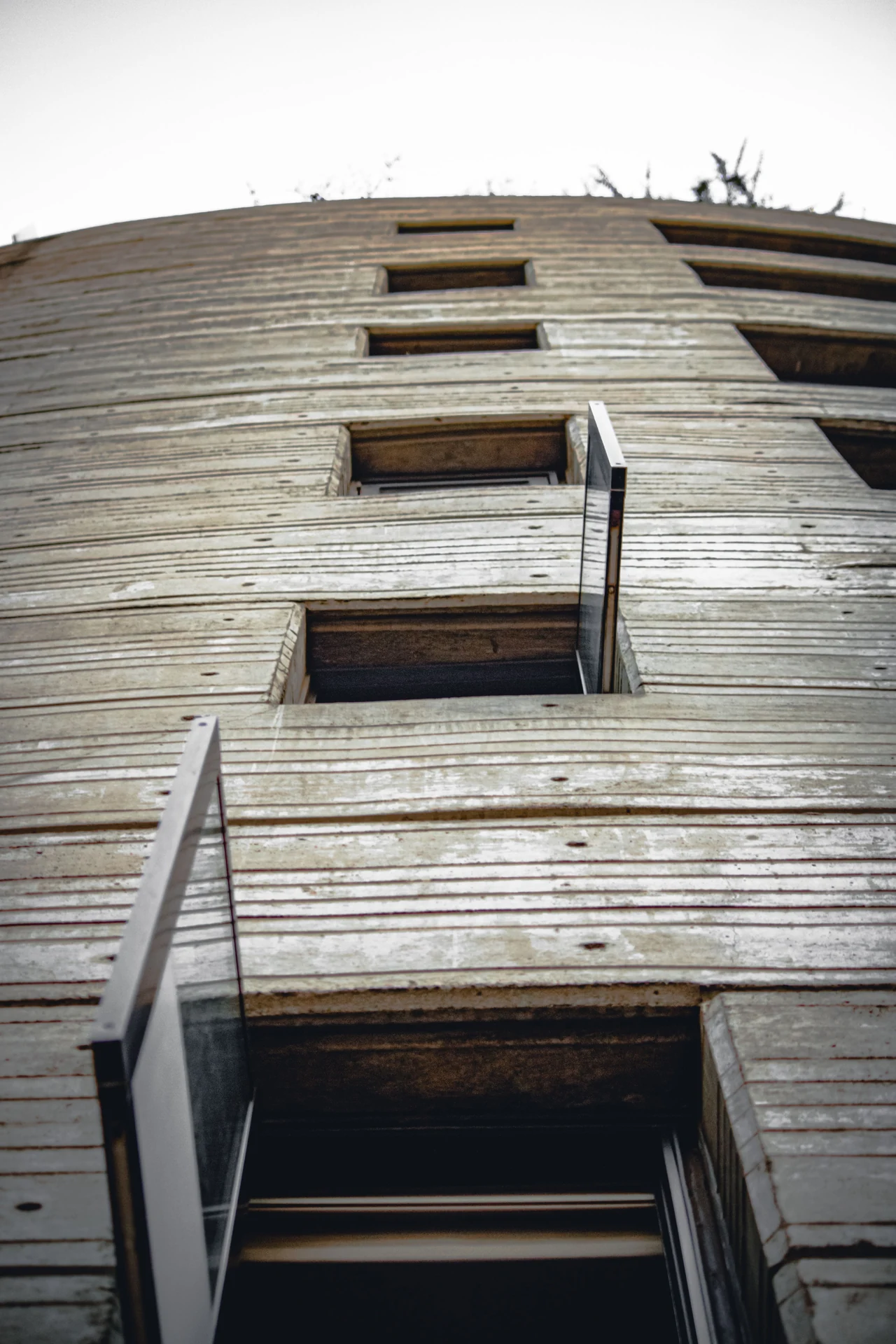
Looking up changes the frame. A facade becomes a pattern of openings. A projecting ledge makes a line across the sky. The same building that seemed ordinary at eye level can become a surprising arrangement of depth, shadow, and repetition.
This does not require a dramatic destination. The exercise works best with something close enough to revisit. A stair, a doorway, a shopfront after closing: each offers a manageable subject. The aim is to see one thing more clearly, rather than collect as many impressive things as possible.
A pattern and its exception
Repetition gives a surface its rhythm. Windows establish a sequence; joints create a measure; shadows make the structure legible. Once the pattern becomes clear, the exceptions become interesting. One opening is deeper. One panel has weathered differently. One edge turns a corner in an unexpected way.
A good observation makes room for both. The pattern explains the whole, while the exception gives it specificity. If we only describe the system, the building becomes abstract. If we only collect unusual details, we lose the relationship that makes them matter.
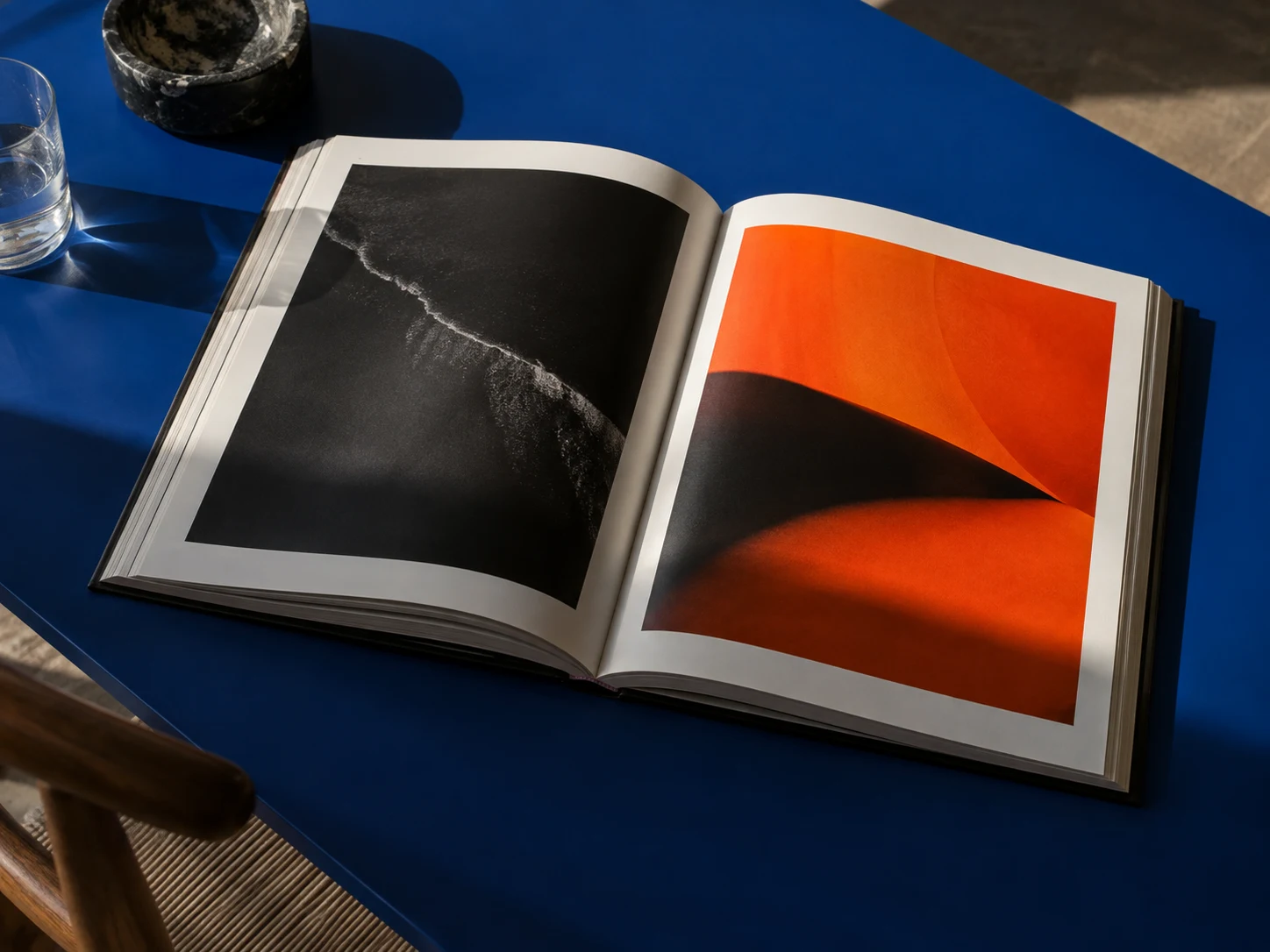
Photography can help by making a deliberate boundary. What belongs in this frame? What happens if the sky occupies less of it? Where does the eye enter, and what keeps it moving? These questions concern the image in front of us, not an invented story about the people who made the building.
Return another day
A second visit is often more revealing than a second location. The light falls differently. A door is open. The sound of traffic changes the atmosphere. The object has not necessarily changed, but our experience of it has.
An archive of these small observations can become a useful design resource. Keep the location and photographer attached to an image. Separate visible details from assumptions. Make a note of the question the image raises, rather than immediately turning it into a rule.
The city offers more than a collection of finished designs. It offers evidence of use, adaptation, maintenance, and time. Looking closely does not turn every detail into a masterpiece. It makes the ordinary world less generic, which is a worthwhile beginning.