Begin with the pause
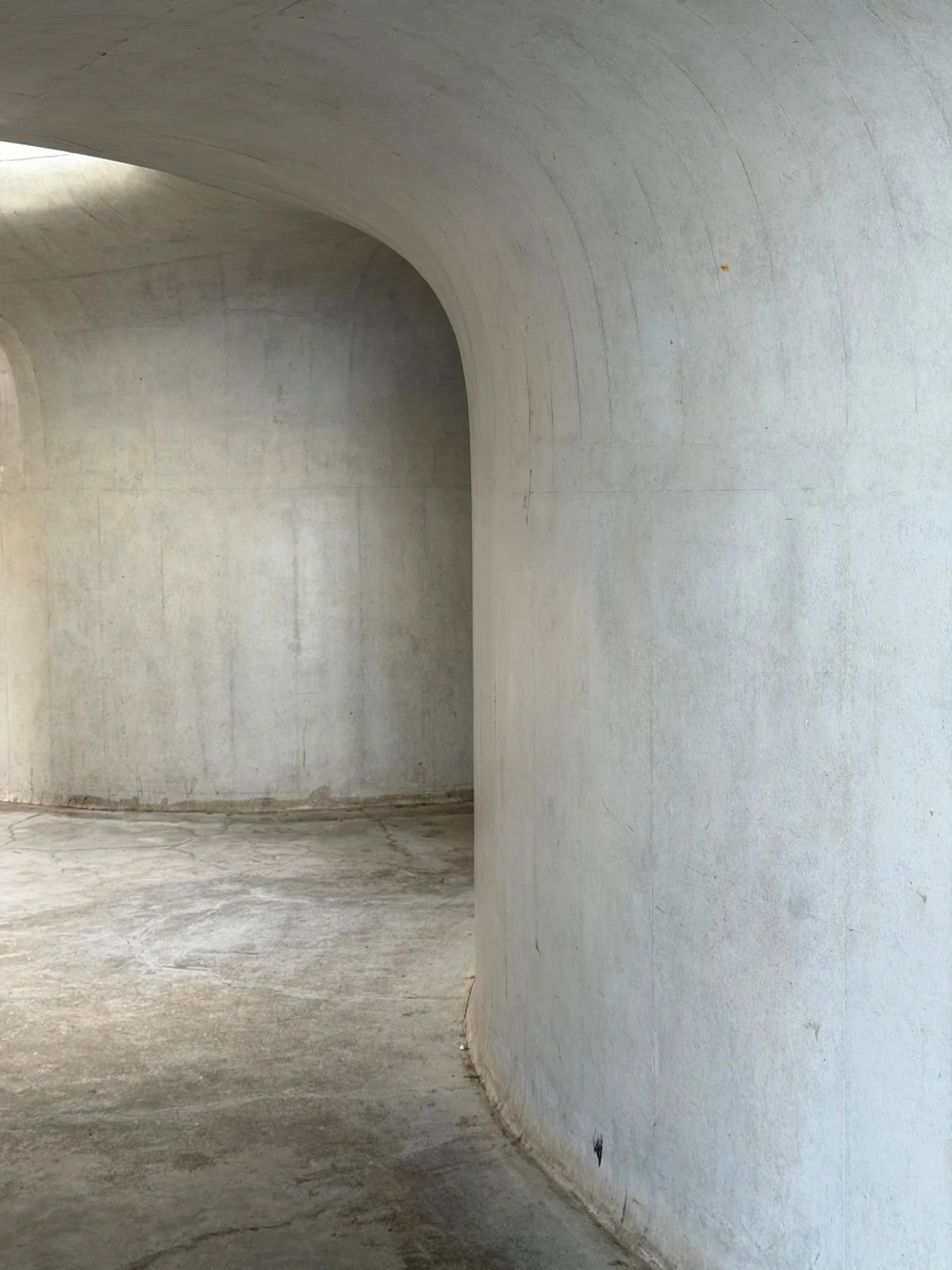
An empty room is rarely empty. There is the direction of the light, the distance between two walls, the shape of the sound when a door closes. Before furniture arrives, the room already offers a set of possibilities. The question is which of them we choose to notice.
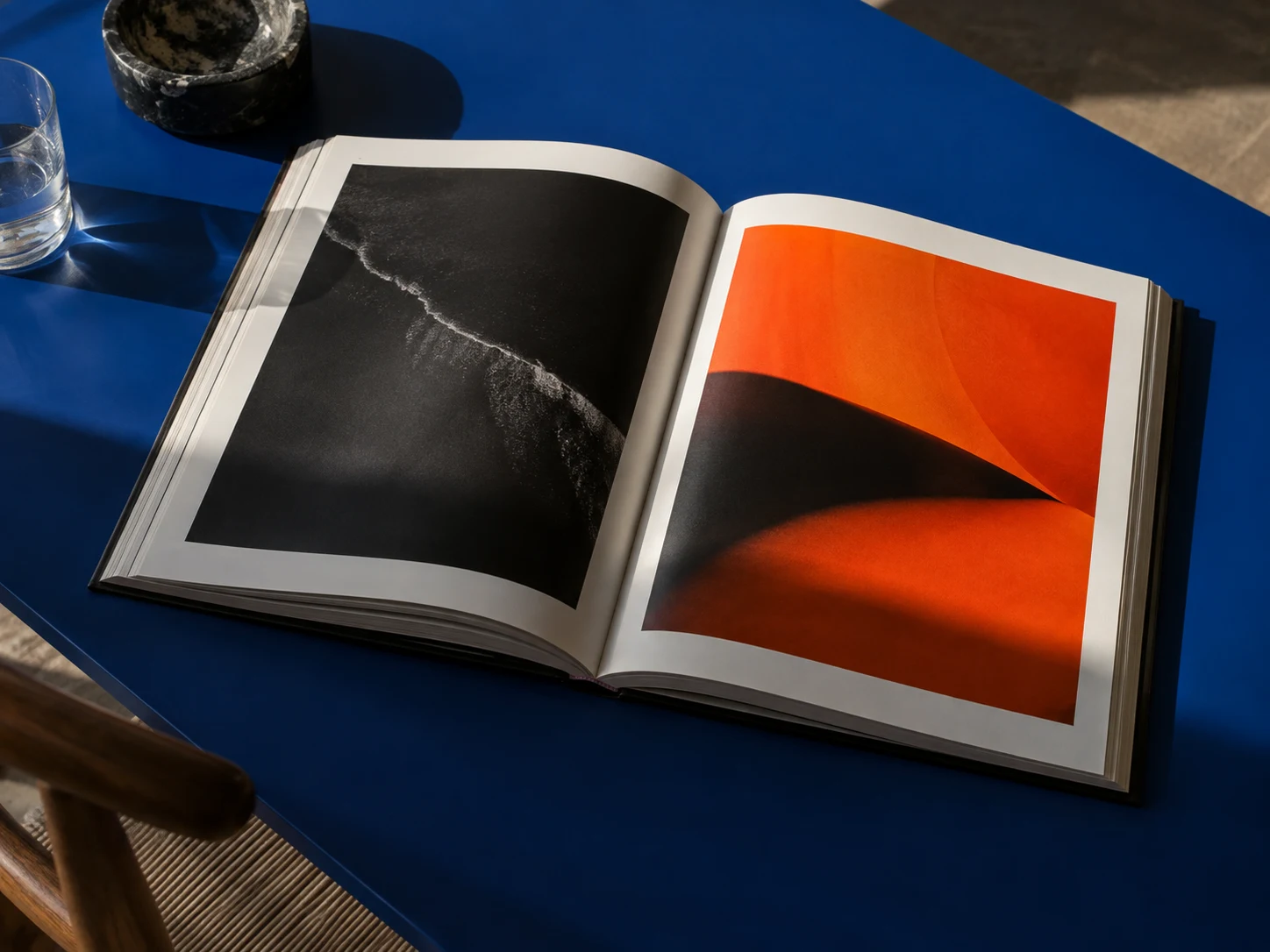
In this short design essay, the room is a way of thinking about attention. A clear surface does not have to be a performance of restraint. It can simply be a place where the next activity has room to happen: a book opened, a drawing unfolded, a conversation allowed to continue.
The most interesting interiors are not necessarily the ones with the fewest objects. A crowded studio can feel generous when everything has a relationship to the work. A nearly bare room can feel anxious when every surface asks to be admired. Quantity alone tells us very little.
The useful edge
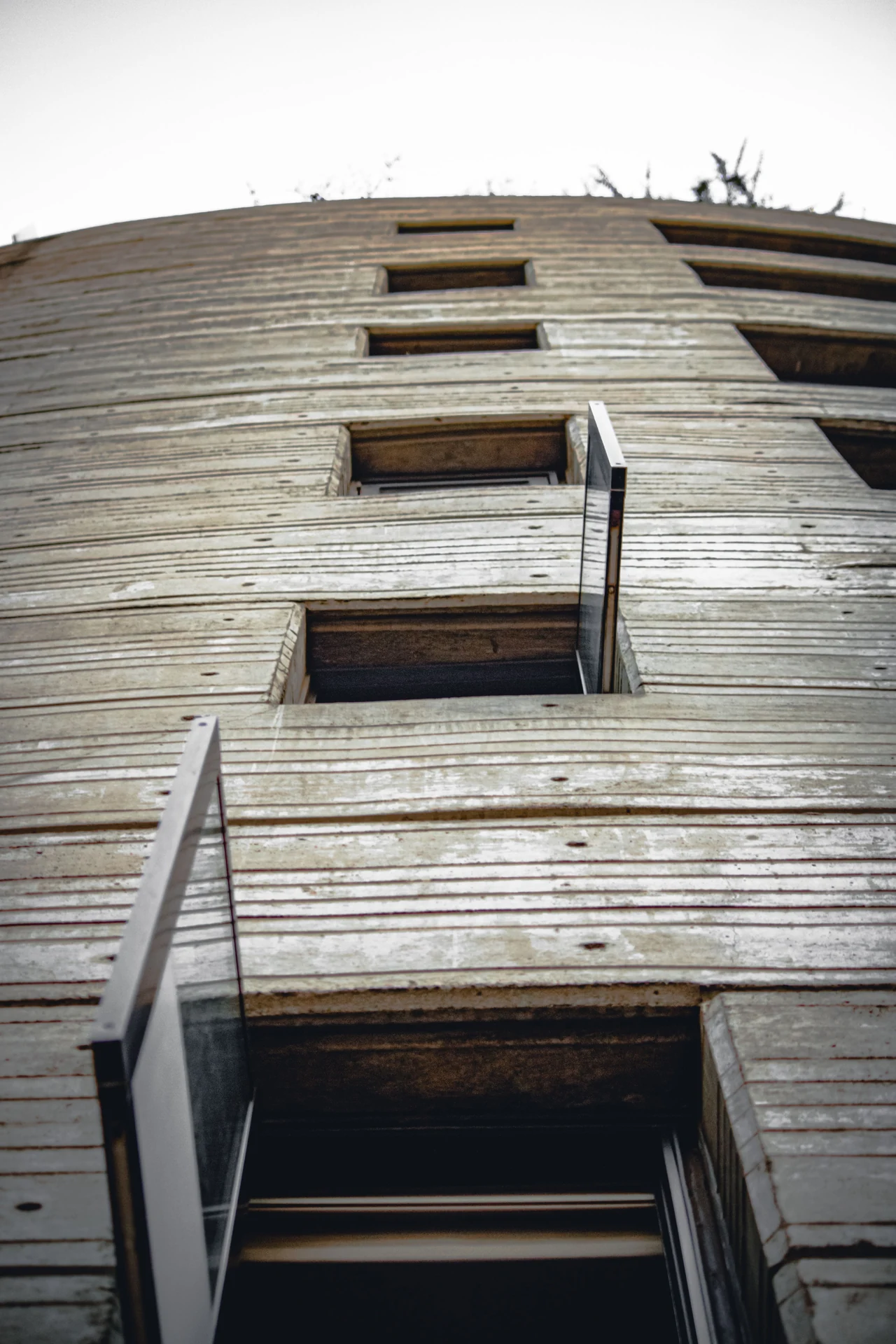
Look at the place where a wall meets a window. That edge decides how the light enters, where a person might stand, and whether the outside feels near or far away. It is a modest detail with an unusually large effect on the experience of the room.
There are similar edges in other kinds of design. A margin around a paragraph makes reading easier. A pause between two sections lets an idea settle. The space beside a control helps a person understand what belongs together. These are not ornamental leftovers. They help the work function.
This is why an interior photograph can be useful even without a shopping list attached to it. We can study the relationship between surfaces and openings. We can notice what the frame makes obvious and what it leaves unresolved. We can borrow a question without trying to reproduce the whole room.
Leave something open
A room that works well is able to absorb ordinary life. Its best qualities remain present when the chair is moved, the light changes, or a stack of papers appears. A design that depends on permanent stillness may be a compelling image, but it asks a great deal of the person who must live with it.
The invitation, then, is not to make every place quieter. It is to decide what deserves emphasis and what can remain available. A useful emptiness is not an absence of thought. It is a decision to leave room for the next thought.
Try looking at a familiar room before changing anything. Notice one boundary, one source of light, and one place that is always being used differently from the way it was intended. That small inventory may offer a more useful starting point than another collection of perfect interiors.