Begin with what is already there
Newness is an efficient way to attract attention. A different object, an unfamiliar street, a surprising image: each interrupts the pattern of an ordinary day. But attention can also move in the opposite direction, returning to something so familiar that it has almost disappeared. The challenge is not finding a new subject. It is finding a new question.
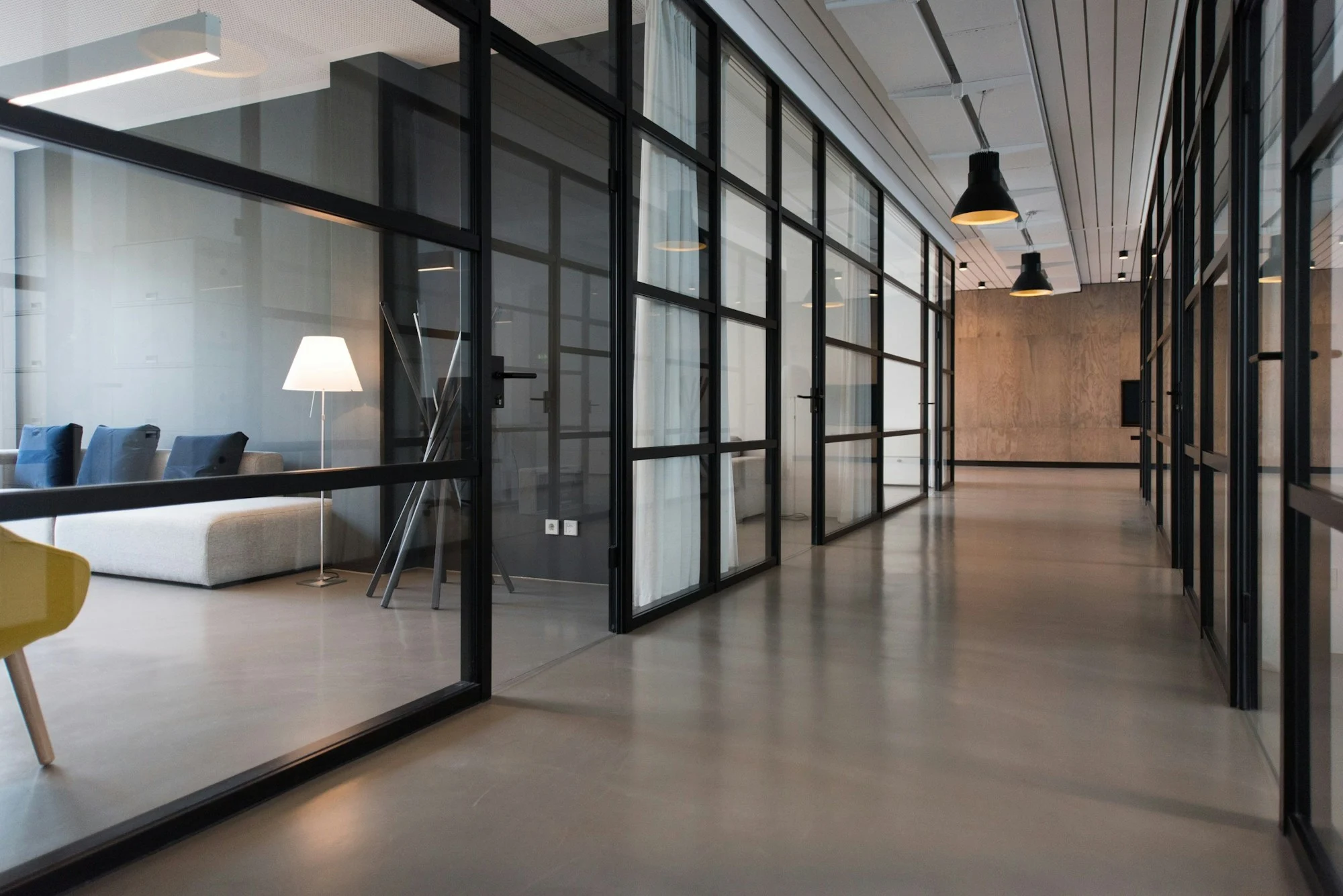
Choose a doorway you pass every day. Look at the thickness of its frame, the position of the handle, the way the surrounding wall meets the floor. These details have been present all along. What changes is the amount of time you allow them before deciding that you already know what they are.
Describe before judging
Judgment arrives quickly. We like a thing, dislike it, or assign it to a category that seems to explain it. Description is slower. It asks for the particular shape of a shadow, the distance between two objects, or the direction in which a surface reflects light. It postpones the convenient summary long enough for something else to become visible.
A notebook can help, but the exercise does not require an attractive record. Write a few plain sentences. Avoid adjectives that could apply to a hundred other things. If the description feels difficult, stay with the difficulty for a moment. It may be showing you where a familiar label has been doing the work of observation.
Attention is not always a search for something new.
Change one condition
Look from a lower position. Return at a different hour. Stand far enough away that the details gather into a pattern, then come close enough for the pattern to break apart. Changing one condition can reveal how much of an object belongs to the relationship between it and the observer.
The same practice can be used with work in progress. Print a screen at a different scale. Read a paragraph aloud. Place a colour beside something unexpected. These changes do not automatically improve the work, but they make it less easy to see only what you intended to make. They create a small distance from your own assumptions.
Let noticing be enough
There is pressure to make every observation productive. A walk should produce photographs, a notebook should produce ideas, and an idea should become a project. Sometimes this is useful. Sometimes it narrows the attention to things that can be collected and displayed. The world becomes raw material for the next output.
Try an interval of looking that does not need to become anything. Notice a reflection and leave it where it is. Follow the rhythm of a row of windows without taking a picture. The practice is complete when you have paid attention. What remains may be less tangible than a photograph, but it can change the way the next familiar thing appears.